
Brain Injury Testing & Assessments
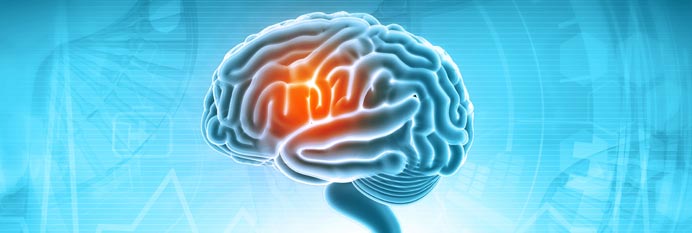
Brain injury testing is designed to help understand how a TBI: Traumatic Brain Injury can affect thinking processes, emotions, behaviour, and daily functioning. Likewise, assessment can also benefit those with an Acquired Brain Injury (ABI) involving conditions not resulting from trauma, such as: stroke, oxygen deprivation, infection, or medical complications.
At West Coast Psychological Services, brain injury testing is conducted through comprehensive neuropsychological assessment to provide clear answers, practical recommendations, and direction for recovery.
What is a Brain Injury Assessment?
Neuropsychological assessment is the gold standard for evaluating brain functioning after injury. When the brain is injured, even mildly, changes can occur in parts of the brain that involve short-term or long-term memory, attention, balance, processing speed, emotional regulation, and problem-solving. Even though physiological changes to the brain may not always be visible through medical imaging, they can still significantly affect daily life.
Signs You May Benefit from a Brain Injury Assessment
Following a crash involving a vehicle of any kind, a skiing, snowboarding or skateboarding accident in which the head receives hard impact, individuals may notice presentation of symptoms involving fatigue, slowed thinking and processing speed, memory problems, difficulty concentrating or multitasking, and emotional disturbances, involving irritability, anxiety, and/or depression.
Changes in behaviour, mood, or personality can be concerning for both individuals and family members. Due to symptoms presenting, many people have difficulty maintaining studies at school or the demands at work. When symptoms persist and impair daily functioning, an assessment can provide understanding, clarity and practical direction.
What Does a Brain Injury Assessment Measure?
Cognitive Functioning
Testing evaluates attention and concentration, auditory and visual memory, processing speed, executive functioning, and problem-solving and reasoning. These areas are commonly affected by brain injury and directly influence work, school, and daily tasks.
Emotional and Psychological Functioning
Assessment also examines mood and anxiety, stress and trauma responses, and emotional adjustment to injury. Emotional symptoms often interact with cognitive difficulties and are an important part of the overall picture.
Behavioural and Functional Impact
Neuropsychological testing considers how symptoms affect daily living skills, work or school performance. Understanding functional impact helps ensure recommendations are practical and relevant.
What to Expect During a Brain Injury Assessment
Intake and Clinical Interview
The assessment begins with a detailed intake and clinical interview. This includes a review of the injury history, medical and rehabilitation background, current symptoms, and concerns. The clinician explores how symptoms have presented in daily life, relationships, work, or school.
Standardized Neuropsychological Testing
Standardized, evidence-based assessment tools are used to evaluate brain functioning. Testing is tailored to the individual’s age, injury severity, and referral questions to ensure accurate and meaningful results.
Behavioural and Emotional Screening
Screening for mood, stress, trauma, and coping helps identify co-occurring concerns that may influence recovery or functioning.
Comprehensive Report and Feedback Session
Following testing, a comprehensive report is prepared. Results are explained in plain language with a strengths-based interpretation. Practical recommendations are provided to support recovery, accommodations, and next steps. A feedback session allows time to review findings and to ask questions.
Frequently Asked Questions About Brain Injury Assessments
Is brain injury testing the same as a concussion assessment?
No. A concussion assessment is usually a brief, early screening focused on immediate medical symptoms and return-to-activity decisions. Brain injury or TBI testing is a comprehensive neuropsychological assessment that evaluates thinking, memory, attention, emotional functioning, and daily impact, and it is often used when symptoms persist or are complex.
Can symptoms appear later?
Yes. Some brain injury symptoms become more noticeable over time, especially as work, school, or life demands increase. Fatigue, memory difficulties, emotional changes, and reduced tolerance for cognitive load can emerge or worsen well after the initial injury.
Can adults benefit from testing long after an injury?
Absolutely. Adults often pursue brain injury assessment years after an injury to better understand ongoing difficulties, support return-to-work planning, or obtain documentation for medical accommodation or insurance-related needs.
Is testing covered by insurance?
Coverage varies depending on the insurance provider and policy. Some extended health plans, disability insurers, or third-party funders may cover all or part of the assessment. Please confirm coverage in advance.
What happens after the assessment?
After testing, you receive a comprehensive written report and a feedback session where results are explained in plain language. Practical recommendations are reviewed, which may include strategies for recovery, work or school accommodations, and referrals for therapy or rehabilitation services if appropriate.